(1).png)
 10 hours ago
1
10 hours ago
1
Nick TriggleHealth correspondent

 Getty Images
Dentists in England are returning hundreds of millions of pounds a year to the government for unfulfilled NHS care, the BBC has learnt.
Over the last two years, more than £900m has been handed back - £1 out of every £7 they have been paid - as dentists instead prioritise private work.
The findings help explain why despite record sums being set aside for NHS dentistry, so many patients are struggling to get one - more than a fifth of people report not being able to access care when they need it.
The government said improvements were being made this year and any money returned was reinvested into services.
It comes as the Competition and Markets Authority (CMA) launches an investigation into the private dentistry market - and the prices being charged and how information was provided to patients when they are choosing whether to go private.
"We're concerned many may be uncertain about costs, availability, treatment options and what they're entitled to."
The CMA said fees paid by patients had risen by up to 22% between 2022 and 2024.
Dentists can now make double seeing patients privately, rather than on the NHS, for carrying out treatments such as fillings and extractions.
But the British Dental Association said this was because NHS payments were too low, with dentists losing money for some treatments. It said this was the major reason dentists were failing to fulfil their contracts.
Under the NHS contract, dentists agree how much NHS work they are going to provide during the year and receive monthly payments from the health service for that.
If a dental practice underdelivers – classed as below 96% of the contract value – the NHS then recoups money from practices the following year.
In 2024-25, more than £450m was returned, BBC analysis of NHS accounts shows, while nearly £480m was returned the year before. In each year, more than 40% of dentists had to hand back money.
It represents a sharp rise in the sums returned in previous years.
 Other
Other
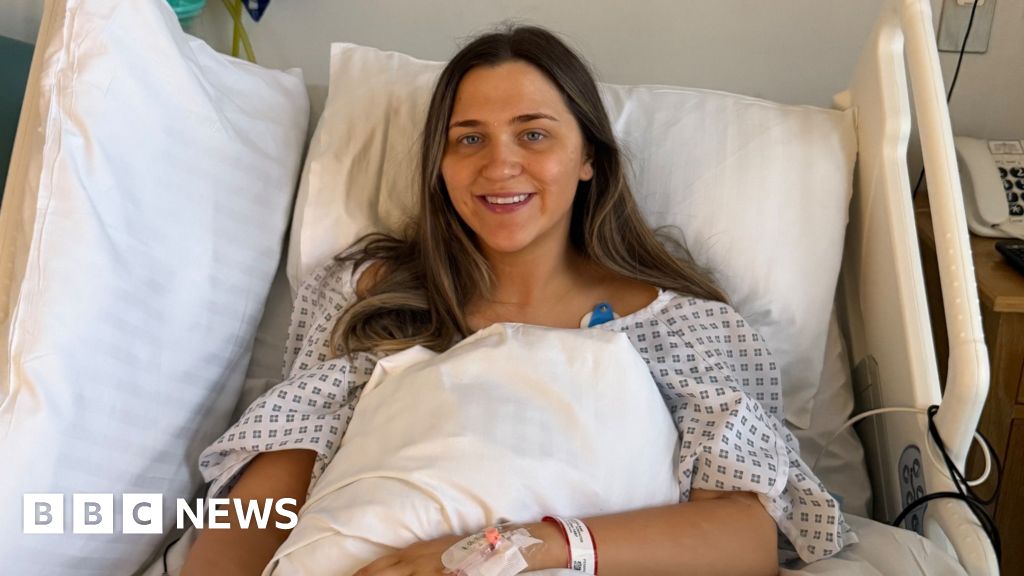
Nikita Jenkins, 27, from Cornwall, is one of millions of people who has struggled to access NHS dental care.
She has not seen one for 14 years and has been forced to pay privately for her two young daughters to get treatment as she was told waiting lists locally were seven years long.
"I tried every dentist in and around my area, but it was near impossible.
"We were waiting and, in the end, I felt like we had no choice but to take the jump and pay to go private, to ensure that our children had the right health care."
Jenkins says there are already so many costs to pay out for, so this is just another thing to "add to the list."
"Dentistry feels like a luxury, not a necessity, because it's just so inaccessible, which shouldn't be the case - especially for children," she told the BBC.
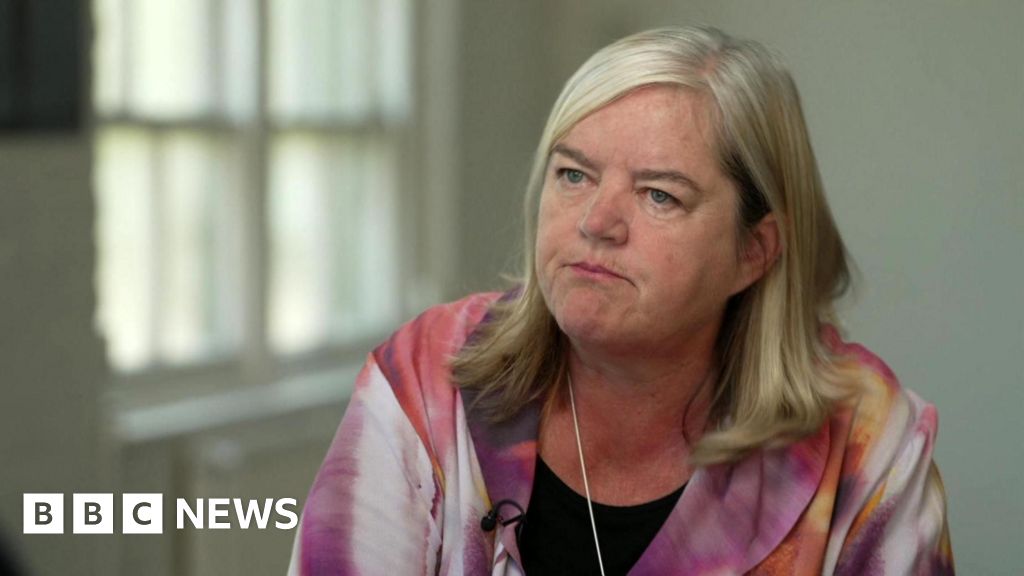
BDA chair Eddie Crouch said dentists were being left with no choice because the current contract, which is now 20 years old, meant dentists were struggling to make money working for the health service.
The union said for new patient examinations in the NHS, the typical dentist could lose £7 per patient because the costs outweighed what they were paid to do it.
Crouch added: "It's the simple fact we now have dentists losing money delivering NHS care.
"It might suit the Treasury, but no healthcare professional can be expected to work this way."
While the money that is returned is largely for a failure to fulfil contracts, it is sometimes handed back if audits find a practice has incorrectly claimed too much for NHS treatments. This only accounts for a small fraction of the total sum.
Rebecca Curtayne, from patient watchdog Healthwatch England, said: "These figures reflect what people across the country tell us - many cannot get an NHS dental appointment and others find their dentist has stopped providing NHS care altogether and now only offers private treatment.
"The impact falls heaviest on those who are already vulnerable, especially people who struggle financially, who are left with nowhere to turn under a dental contract that is simply not fit for purpose."
The government said it had increased the amount dentists get for NHS work and provided £20,000 golden hellos to get dentists to work in areas with the poorest access.
This is increasing the number of treatments being carried out, the government said.
It is also looking to fundamentally reform the dentistry contract by the end of the parliament to boost access further.
Health and social care minister Stephen Kinnock said the government was "making progress".
But he added: "We know there is more to do to get to the root of the problem."
An NHS England spokeswoman said the clawback data was effectively "a year behind reality" and money being returned was reinvested into dentistry.
"We are working closely with government to introduce further reforms in the coming months."
Additional reporting by Elena Bailey and data analysis by Aidan McNamee