(1).png)
 2 months ago
22
2 months ago
22
Turkish President Recep Tayyip Erdoğan called for a "limited ceasefire" concerning attacks on ports and energy facilities in the Russia-Ukraine war, in face-to-face talks Friday with his Russian counterpart Vladimir Putin.
Speaking on the sidelines of a summit in Turkmenistan, Erdoğan told Putin that efforts to end the war were valuable, saying "implementing a limited ceasefire targeting energy facilities and ports in particular could be beneficial" in that respect, according to a readout from his office.
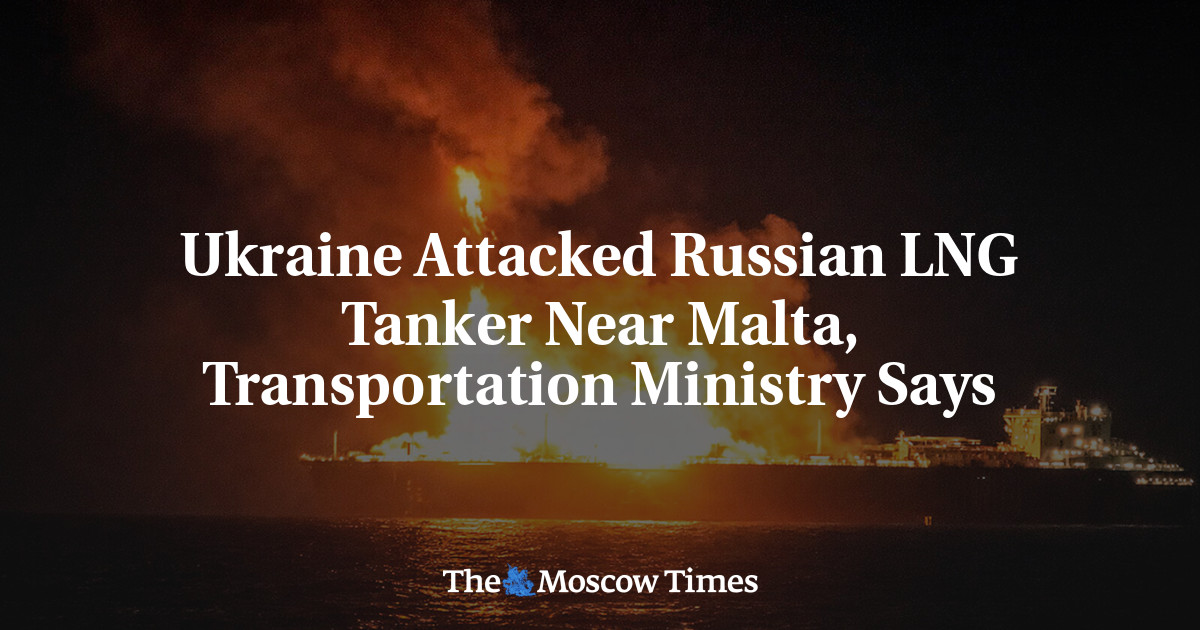
Erdoğan's remarks came on the heels of several attacks on Russia-linked tankers in the Black Sea, some of which were drone attacks claimed by Kyiv.
The attacks sparked harsh criticism from Ankara, which summoned envoys from both Russia and Ukraine, warning the strikes amounted to a "worrying escalation."
Speaking to reporters in Kyiv on Thursday, Ukraine's President Volodymyr Zelensky said Turkey was working on plans for a ceasefire specifically linked to energy infrastructure and shipping.
"President Erdoğan mentioned this to me. I told him we would support it. He wanted to organize a corresponding meeting — initially at team level, then at the leaders' level. I told him we are ready," he said.
"Today, the United States believes we are close to an agreement," he added.
"From what I understand, the Russians simply told them that they would not agree to any [interim] ceasefire unless an agreement is signed," he said, referring to a full and complete peace deal.
Turkey, which has sought to maintain relations with Moscow and Kyiv throughout the war, controls the Bosphorus Strait, a key passage for transporting Ukrainian grain and Russian oil towards the Mediterranean.
In November, Erdoğan said a ceasefire deal covering energy and port infrastructure constituted a potential basis for negotiations toward a comprehensive peace agreement, during an online meeting of Ukraine's allies.
A Message from The Moscow Times:
Dear readers,
We are facing unprecedented challenges. Russia's Prosecutor General's Office has designated The Moscow Times as an "undesirable" organization, criminalizing our work and putting our staff at risk of prosecution. This follows our earlier unjust labeling as a "foreign agent."
These actions are direct attempts to silence independent journalism in Russia. The authorities claim our work "discredits the decisions of the Russian leadership." We see things differently: we strive to provide accurate, unbiased reporting on Russia.
We, the journalists of The Moscow Times, refuse to be silenced. But to continue our work, we need your help.
Your support, no matter how small, makes a world of difference. If you can, please support us monthly starting from just $2. It's quick to set up, and every contribution makes a significant impact.
By supporting The Moscow Times, you're defending open, independent journalism in the face of repression. Thank you for standing with us.
Continue

Not ready to support today?
Remind me later.