(1).png)
 2 months ago
24
2 months ago
24
Sima Kotecha,Senior UK correspondentand Hazel Shearing,Education correspondent
Teachers will be given training to spot and tackle misogyny in the classroom, while high-risk pupils could be sent on behavioural courses as part of the government's strategy to halve violence against women and girls in the next decade.
The plans for schools in England - which focus on preventing the radicalisation of young men - will be unveiled later after being pushed back three times.
Pupils will be taught about consent, the dangers of sharing intimate images, how to identify positive role models, and to challenge unhealthy myths about women and relationships.
The £20m package will include a new helpline for teenagers to get support for concerns about abuse in their own relationships.
The government hopes that by tackling the early roots of misogyny, it will prevent young men from becoming violent abusers.
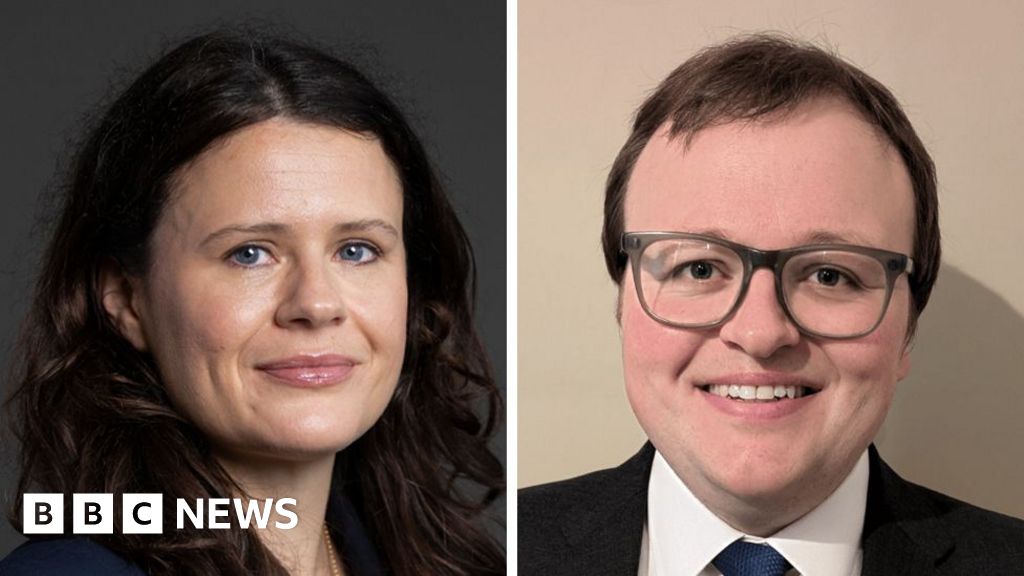
But the domestic abuse commissioner for England and Wales, Dame Nicole Jacobs, said the commitments did "not go far enough" to see the number of people experiencing abuse start to fall.
She said while the strategy recognised the scale of the challenge the level of investment "falls seriously short".
Under the new plans, schools will send high-risk students to get extra care and support, including behavioural courses to tackle their prejudice against women and girls.
"Every parent should be able to trust that their daughter is safe at school, online and in her relationships, but too often, toxic ideas are taking hold early and going unchallenged," Prime Minister Sir Keir Starmer said about the new measures.
"This government is stepping in sooner - backing teachers, calling out misogyny, and intervening when warning signs appear to stop harm before it starts."
Safeguarding minister Jess Phillips described violence against women and girls as a "national emergency", adding the government's aim was to be "so ambitious that we change culture".
"All of this is about trying to prevent those behaviours escalating into the terrible figures," she said.
Schools to take part in the teacher training pilot will be chosen next year, while ministers will aim for all secondary schools to teach healthy relationship sessions by the end of this Parliament.
The taxpayer will foot £16m of the bill, while the government says it is working closely with philanthropists and other partners on an innovation fund for the remaining £4m.
Nearly 40% of teenagers in relationships are victims of abuse, domestic abuse charity Reducing the Risk has said.
Online influencers are partly blamed for feeding this, with nearly one in five boys aged 13 to 15 said to hold a positive view of the self-proclaimed misogynist Andrew Tate, according to a YouGov poll.
Schools in England are already required to identify and tackle misogyny and some teachers said schools were already doing the kind of work the measures outlined.
"While we welcome any initiative that prioritises healthy relationships and consent education, it's important to recognise that schools like Beacon Hill Academy in Dudley have been delivering this work effectively for years," Principal Sukhjot Dhami said.
"The challenge isn't starting from scratch: it's ensuring that this £20m is spent wisely and in partnership with schools already leading the way."
Pressed on BBC Radio 4's Today programme on which of the measures were new, Phillips said: "What definitely does not exist yet, [is] if teachers are seeing signs of sexually harmful behaviour or are worried about the attitude of pupils with regard to misogyny… teachers currently don't have anywhere specialist or targeted to send those pupils."
The Department for Education's statutory guidance on relationships, sex and health education already says schools should "be alive to issues such as everyday sexism, misogyny, homophobia and gender stereotypes and take positive action to build a culture where these are not tolerated".
It says secondary pupils should be taught about consent, the negative impacts of pornography on sexual relationships, and that sharing and viewing of indecent images of children is a crime.
Updated guidance, published this summer and due to be rolled out from September, specifies that pupils "should be equipped to recognise misogyny" as well as its links to violence against women and girls, and understand the importance of challenging it.
Paul Whiteman, general secretary of school leaders' union NAHT, said it was positive the government was recognising the importance of training and support for school staff but said schools were "just part of the solution".
Pepe Di'Iasio, general secretary of the Association of School and College Leaders, welcomed the government's focus, but added it was essential that the government introduced "effective measures to prevent at source the spread of online misogynistic content which is served up to young people by social media algorithms".
Nicola Mclafferty, 42, is a victim of domestic violence and said more needed to be done to teach children about abuse.
"Survivors of domestic abuse, men or women, should go into assemblies and speak to the children about it, tell them a bit of your lived experience, enough that it's not going to scare them but be quite factual.
"There needs to be more people talking and they need to know."
The government has already announced a raft of measures in its strategy, including the introduction of specialist investigators to every police force to oversee rape and sexual offence cases.
It says staff will have the right training to understand the mindset of abusers and victims.
Also announced is a roll-out of domestic abuse protection orders, which have been trialled across England and Wales over the past year.
The court-issued orders mean individuals can be banned from contacting a victim, visiting their home or posting harmful content online, and can also be used in cases involving coercive or controlling behaviour. Breaching an order is a criminal offence.
Other measures include better NHS support for child and adult survivors of abuse, and a funding boost for councils to provide safe housing for domestic abuse survivors.
Two television adverts will also be launched on Saturday featuring a string of sports personalities and celebrities calling for the end of violence against women and girls.