(1).png)
 3 months ago
31
3 months ago
31

 PA Media
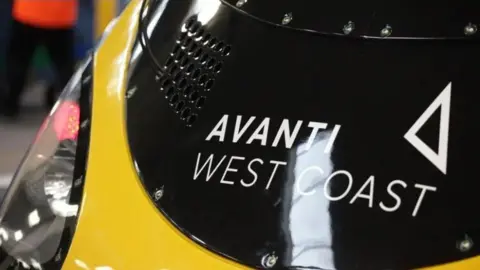
The rail regulator has responded to criticism of its plans to ban passengers from a popular service between Manchester and London.
Simon BrowningTransport reporter
Plans to ban passengers from a peak morning train service between Manchester and London have been abandoned after a U-turn by a government regulator.
The Office of Road and Rail (ORR) reversed its decision to run the 07:00 GMT Avanti West Coast service from Manchester Piccadilly to London Euston without passengers after a public backlash.
On Sunday, the ORR announced only staff would be on board as of mid-December - citing concerns that allowing passengers to get on would "harm the overall performance" of the line.
But just over 24 hours later, an ORR spokesperson said after listening to feedback it would give Network Rail and Avanti permission to continue running the service with passengers.
"On the basis of the information we have, we believe the running of this 7am service could have a negative impact on reliability and punctuality of services on the West Coast Main Line, but we recognise its importance and popularity and will support its continued operation," the ORR spokesperson continued.
The ORR has confirmed the U-turn only relates to the 07:00 GMT Manchester Piccadilly to London Euston service. It said the following services would not be running:
12:52 GMT: Blackpool North – London Euston (Monday to Friday)
09:39 GMT: London Euston – Blackpool North (Monday to Friday)
19:32 GMT: Chester – London Euston (Monday to Friday)
17:53 GMT: Holyhead – London Euston terminates at Crewe (Sunday)
What is a 'ghost train'?
Avanti was still going to run the 0700 service, just without passengers and only Avanti staff on board.
The ORR, as the regulator, has the power to regulate the service and performance of the rail network.
It looks at the capacity and demand on the rail network at any point and will look to make gaps in the timetable in case of delays or if problems occur. These gaps are "ghost trains".
This means that if there are problems on the network, these empty ghost trains can move in behind a much delayed or cancelled train so that the delays don't knock-on all day, which can really impact passengers.
Having ghost trains in the system is about offering resilience and strength to the network.
The West Coast Mainline is one of the UK's busiest parts of the rail network for both passengers and freight, and delays can appear quickly and back-up. People who've been stuck at London Euston will know this.
Having ghost trains in the network allows train operating companies to have an immediate release switch to alleviate problems quickly.